


 When people get sick, generally, they will stop eating and drinking because they have no appetite and don’t feel thirsty. However, that is a mistake for a lot of reasons.
First, with a cold or flu, you need fluids. With a cold, you will likely have a runny nose or sweat because of a fever. This will cause your body to be dehydrated. You need to compensate for the loss of water. Drinking water will help loosen mucus in your nose and will help relieve congestion. Also, a recent study shows that if your body is compromised with the flu or a cold, it can’t deliver interferon produced by your body to the parts that need it. Interferon is a protein produced by the body’s immune system in response to an infection. So, when you have a cold or the flu you should continue to drink your 100oz (or close to it) a day. You will definitely feel better.
So, the issue arises, what to drink? The following is a quick set of rules to follow:
- Hot drinks are great because not only will you lubricate your mucous membranes, but they also produce hot steam that relieves congestion.
- Stay away from caffeinated drinks as they will cause dehydration which you want to avoid
- Also, stay away from alcohol because it too can cause dehydration. In addition, it affects the functioning of the immune system.
Eating is just as important as drinking fluids. If you have the flu or a cold, your body actually needs more energy and nutrients to fight the infection. Your body’s energy requirement will be higher if you have a fever. Your body’s energy requirement will be highest if you have a fever. For example, in adults, the amount of energy the body uses is estimated to increase by 13% for every 1-degree Celsius increase in body temperature.
The types of foods you should eat when you have the flu or a cold are:
- Healthy foods to fight the infection
- Eat nutritious foods, including fruits and vegetables
- Eat foods that boost the immune system, such as
- Salmon/tuna
- Yogurt
- Walnuts
- Olive, canola, avocado oil
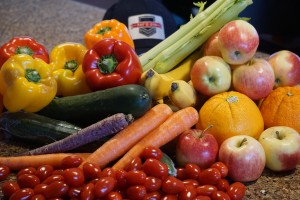
- Foods rich in vitamin C, such as citrus, peppers, strawberries, tomatoes, and broccoli
- Food rich in Vitamin E such as leafy greens, almonds, broccoli, blueberries and whole grains
- Eat foods that may help relieve cold and flu systems like congestion such as hot peppers
- Consume soft foods which are easier to swallow with a sore throat
So, in conclusion, it is best to try to avoid a cold. You can avoid the cold by ensuring you have enough fluids in your body, you are eating enough to have a healthy immune system, and you ensure that you wash your hands, and don’t touch your eyes when you’re around people who are sick. Hopefully, you stay healthy this flu/cold season!


