


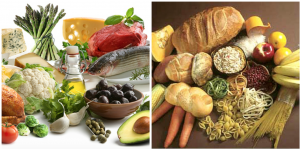
Most people ask the question “are all carbs alike?” The answer is a responding “no” You may think that all breads, rices, pastas, cereals all seem pretty much alike, but they are not. There are reasons to consume various types of carbs at different times, so be educated with regard to what to eat.
Some Simple Rules: First, to analyze carbs you have to know whether they are high or low glycemic. But, before I go into that, I want to provide some basic fats:
Stay away from processed foods
Eat whole grains because they are high fiber, contain antioxidants, vitamins and minerals, and they tend to be digest more slowly
Stay away from simple sugars
How are sugars digested: Second, you have to understand how sugars are digested in your body. Sugars will cause the body to release the hormone insulin to regulate sugar levels in the blood. Therefore a sugar rush after eating a bunch of sugar, will be short lived or followed by a sugar crash. Having too much sugar in the blood will cause you to feel tired, will cause mood swings or increase your hunger level. Carbs will turn to fat because the insulin will take the sugars, shuttle them into your blood, then into the liver/muscles and then eventually will be stored as fat.
Glycemic Index: The Glycemic Index can be used to tell the difference between complex and simple carbs. The GI is an index that measures how quickly a particular carbohydrate is turned into sugar and enters the body. Those carbs that are enter the blood stream quickly are called “simple” carbs, while those that enter the blood stream slower are called “complex” carbs. Simple carbs are absorbed into the body quickly, while complex carbs take a while to be absorbed.
Low Glycemic Foods: Complex carbs or low glycemic carbs are:
Nuts
Legumes
Fructose (Basic sugar found in fruits)
Whole Grain Pasta (Boiled 5 min.)
Dairy (Ice cream, skim milk, whole milk, yogurt)
Fruits
Rice (polished), or brown
Sweet potato
Oats
All-bran
Most Vegetables (exceptions- carrots, corn, root vegetables)
Benefits of Low Glycemic Foods: Low GI foods can benefit your health and athletic performance. Low GI foods are assimilated at a slower rate and, therefore, they supply a steadier supply of energy. Lower GI foods alleviate hunger, leading to a more controlled appetite. Lower GI foods can also result in higher muscle glycogen levels (storing more carbs in the muscle), and less chance of storing the extra glucose as fat.
If you are going to eat before training, you should pick low glycemic carbohydrates. Low glycemic foods will prevent any premature lowering of blood glucose levels before training, which can lead to fatigue.
High Glycemic Foods: The following is a list of high glycemic foods:
Sugars
Honey
Puffed cereals
Rice Cakes
Potatoes
Candy
Breads, especially, white breaks
Instant products like instant rice, oatmeal, wheat, grits
Carrots, corn, peas
Flaked cereals (corn flakes, etc.)
Corn chips
Research shows that high glycemic carbohydrates before training is not as effective as consuming low glycemic carbohydrates. Consuming high glycemic carbs can lead to lower blood glucose prior to training. This will lead to a quicker depletion of muscle glycogen and fatigue. High glycemic carbohydrates before training can also hamper fat release from fat cells. Thus, not getting the complete fat burning effects from your hard workouts.
High GI foods after training can benefit you greatly. Consuming high GI carbs within the first 15 minutes to 2 hours after training can give you a big head start on replenishing depleted glycogen levels in the muscle. After training you want the insulin levels to rise causing the proteins, carbs, and other nutrients to be shuttled into the starving muscles. Higher GI foods are suggested for this recovery purpose because of the spike in insulin they cause.
Now go and make a wise choice with regard to your carbs.


