


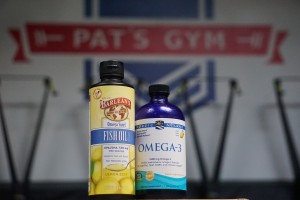
 I never take NSAID’s for soreness. However, I do eat a lot of foods with those qualities. I find them to be more effective with regard to lessening the impact and the duration of soreness from working out.
When you workout, you are ripping down your muscles to build bigger and stronger ones. Inflammation happens as your body repairs the damage of those workouts. It’s the way nature works.
Some athletes will take NSAIDs to reduce the soreness. Problem is it works against nature. These NSAIDs work against nature in blocking your body’s natural inflammatory responses. If you block that process, you may not feel that unpleasant soreness, but you may not reap as great a reward. Your body needs to be able to rebuild itself to get stronger.
Second of all, NSAIDS can reduce kidney function. If you’re already dehydrated from working out, then NSAIDs will add additional stress to those already reduced functioning kidneys. This is not a great combination.
In addition, there are studies that document the problems with NSAIDs and athletes. One study found that NSAIDs taken before endurance distance events don’t actually improve soreness after the event. And another showed that athletes who took an NSAID before working out had small levels of stomach bleeding after just one hour of cycling.
There is new research that shows that anti-inflammatories actual cause more inflammation. In the stomach, NSAIDs damage the stomach and colon, making them porous and allowing seepage into the bloodstream and lymphatic system. This combination triggers a body-wide inflammatory response.
These types of studies support why I only look to natural ways to help the inflammation do its job, and not avoid it. I take fish oil daily. I also, will eat walnuts and other foods that help with the soreness and with inflammation. They don’t stop they inflammation, they help you heal. Anytime you can go natural versus chemical, I chose the natural way.
So next time you’re going to pop another NSAID, think of grabbing some fish oil, a walnut or the like. Cinnamon and turmeric are also great sources for helping with the inflammation.


