

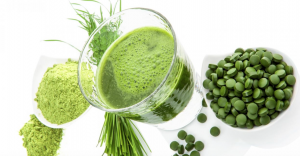
I am not a big fan of supplements. The only supplements I take are fish oil and whey protein. I stay away from everything else and just focus on eating a well-balanced diet from great food sources. I stay away from supplements because they are a crutch and they can lead to imbalances and health issues.
Fitness without supplements means you must plan your nutrition carefully. You have to ensure that your diet contains the right amount of protein and calories to ensure that you have sufficient amino acids, glucose and protein to support your workout program. These elements need to be present to support repair of your muscles. Consuming about 1.4 – 2 grams of protein per kilo of body weight, depending upon your workout intensity, is appropriate. You should focus on eating 350 – 700 calories a day above your daily caloric intake to ensure that you’re maximizing your muscle repair from workout routines.
Protein: You should focus on finding a protein should that is lean and comes from a good source. I like diversity in my diet so I mix up beef, chicken or fish, with pork thrown in for variety. I stay with grass fed beef or pork, range fed chicken, and fresh caught fish. I avoid grain fed beef, pork and chicken, and fresh farmed fish. Because I workout so much and burn many calories in a day, I will strive to eat an 8 – 12 oz piece of protein per meal. Also, don’t forget eggs. I stay with eggs that come from chickens that are not fed grains, are organic, not given antibiotics or steroids. Again, the source of the protein is critical.
Calcium: I include in my diet calcium-rich foods to enhance the capacity of my muscles to contract. I drink milk and eat a fair amount of cheese per day. I stay with whole fat to ensure I’m getting all the calcium I can. I’m not worried about the fat because this is good fat. Again, I strive to stay with organic or cheese and milk from fresh sources, and avoid those that are made from cows that are grain fed or have antibiotics or steroids in them.
Carbs: I choose whole grain carbs like beans, lentils and whole grain/wheat pasta for their high-protein and high-carb content. The protein from whole grains will help you reach your daily protein requirement. One-half cup of canned black beans has 110 calories, 7 grams of protein and 19 grams of carbs. One-quarter cup of uncooked lentils has 166 calories, 12 grams of protein and 29 grams of carbs. One cup of cooked whole wheat pasta has 190 calories, 12 grams of protein and 29 grams of carbs. My weakness is for pizza, so I generally will try a whole wheat/grain crust. In a previous Knowledge post, I discussed the types of carbs to eat and when to eat them. Also, make sure you get the right carbs before you workout and after you workout. There is a science behind it.
Fats: Fats get a bad name, but you need them for a healthy diet and muscle repair. Make sure you stay away from trans fats, minimize saturated fats but not eliminate them, and get enough of polyunsaturated and monounsaturated fats. Fats don’t make you fat, your body needs them so focus on the types that you get. A previous Knowledge post focused on the different types of fats and how much you should get per day.


